Cigarette Dispenser Machines -An Operator's Guide to Success and Compliance
In the high-stakes world of tobacco retail, a cigarette dispenser machine is far more than a simple automated box. It is a highly regulated retail environment that requires a perfect balance of hardware reliability, digital precision, and strict legal adherence.
Whether you are placing a unit in a high-traffic bar or a private retail facility, understanding the integration of compliance, technology, and maintenance is the key to turning a locked cabinet into a consistent revenue stream.
1. Compliance: The Foundation of Tobacco Vending
Before considering hardware, an operator must master the regulatory landscape. In the United States, tobacco sales are governed by strict FDA mandates designed to prevent underage access.
- Age Verification: Federal law requires photo ID verification for anyone appearing under the age of 30.
- Location Restrictions: Machines are generally prohibited in any facility where individuals under 21 are permitted.
- State-Specific Rules: States like California add further layers, requiring machines to be placed at least 15 feet from entrances and strictly within age-restricted bars.
A successful operation views these rules not as hurdles, but as the framework for the machine's security and access-control systems.
2. Hardware Selection: Dispensing Technology
The "best" machine depends entirely on your specific location's footprint and sales volume. Modern dispensers generally fall into two categories:
Used in larger retail environments, these units often utilize high-capacity coils and pull-out trays. This format is ideal for operators managing dozens of different SKUs, as it allows for organized loading and high-volume sales without frequent restocking.
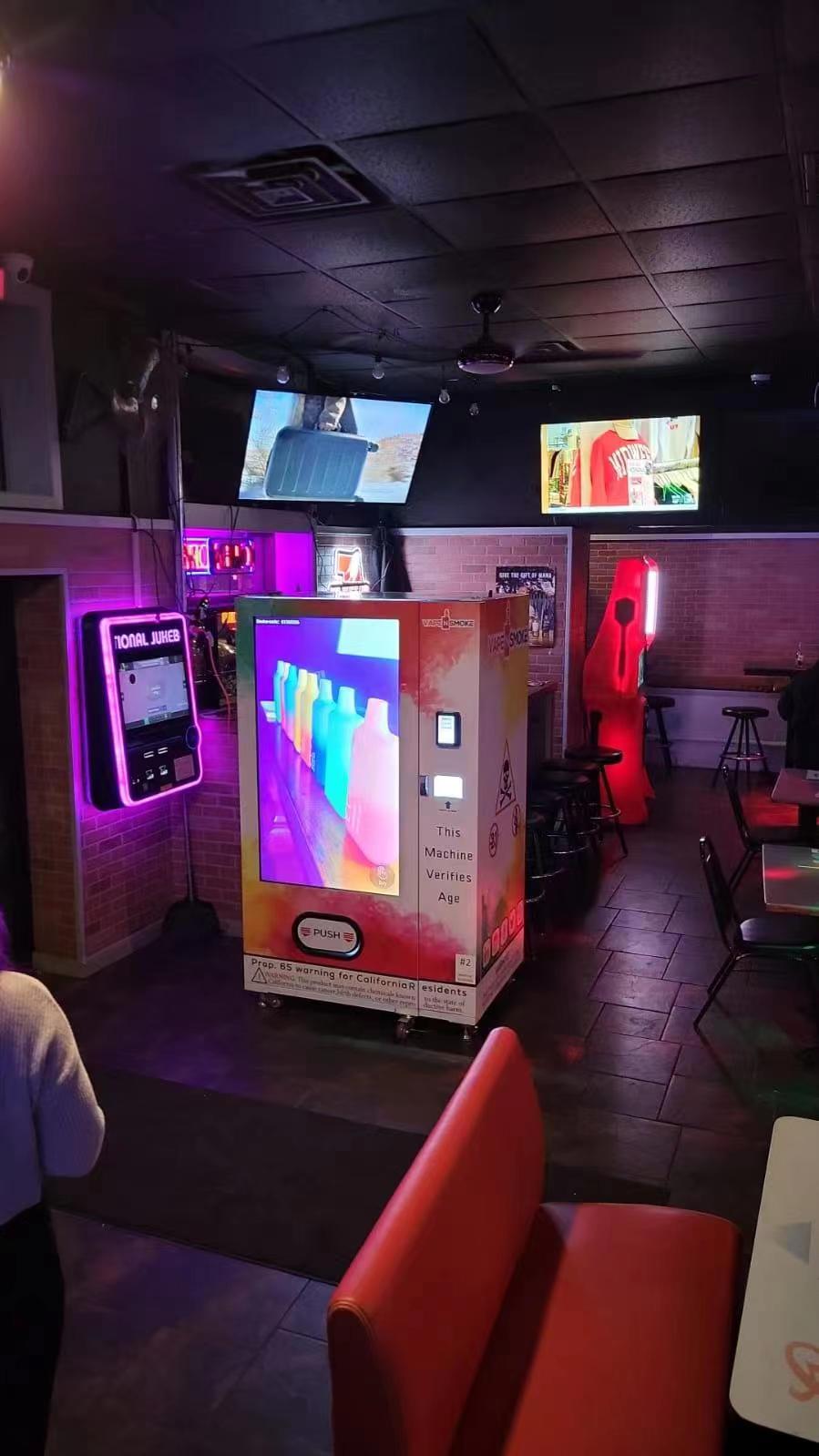
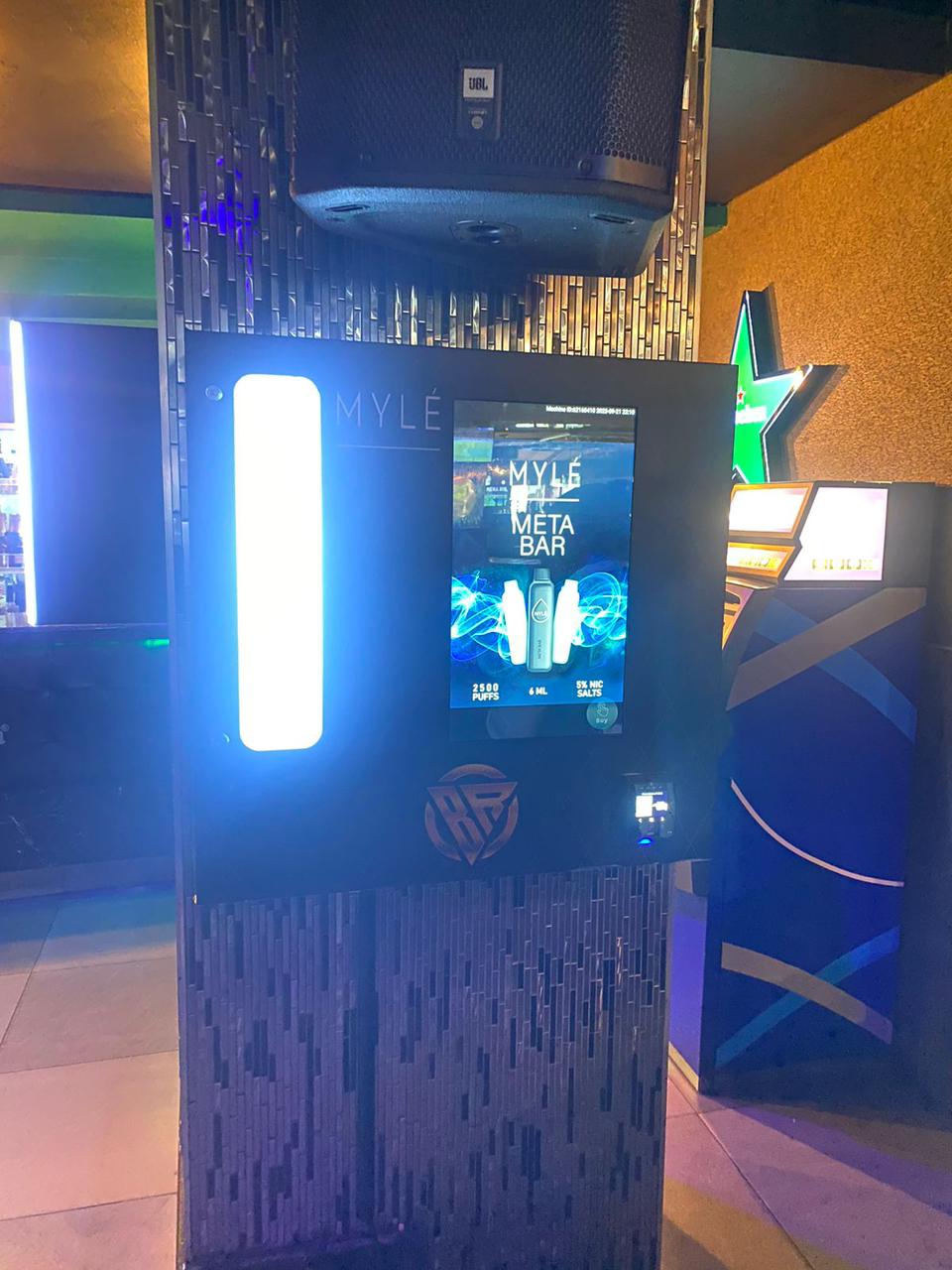
In bars or small venues where floor space is at a premium, wall-mounted units are the industry standard. These machines use independent vend motors to ensure that each pack is delivered cleanly. The focus here is on "consistency"—a machine that jams is a machine that loses money.
3. Data-Driven Inventory and Replenishment
The most significant leap in modern vending is the move from guesswork to real-time data. Using cloud-based vending software transforms the dispenser into a smart business tool.
- Live Tracking: Operators can monitor sales via mobile dashboards, seeing exactly which slots are empty before they even leave the warehouse.
- Velocity-Based Replenishment: Instead of a "one-size-fits-all" restocking schedule, smart logic prioritizes "fast movers." If one brand sells out every three days while another takes two weeks, your route plan should reflect that data.
- Picking Lists: Software generates precise lists for the refill team, ensuring they bring only what is needed, reducing vehicle weight and unnecessary site visits.
4. Professional Installation and Setup
A cigarette dispenser is a high-value asset containing regulated inventory. Its installation must reflect that.
For wall-mounted models, secure anchoring is non-negotiable. Brackets must be fastened to the machine and then the wall using heavy-duty hardware to prevent shifting or tampering. Beyond the physical mount, the "digital installation" is equally critical:
- Leveling: Ensures the internal gravity-fed or motor-driven paths work without friction.
- Payment Connectivity: Card readers and telemetry must be tested on-site to ensure every transaction is logged for tax and compliance purposes.
- Power Stability: Reliable power ensures that age-verification screens and remote monitoring stay online 24/7.
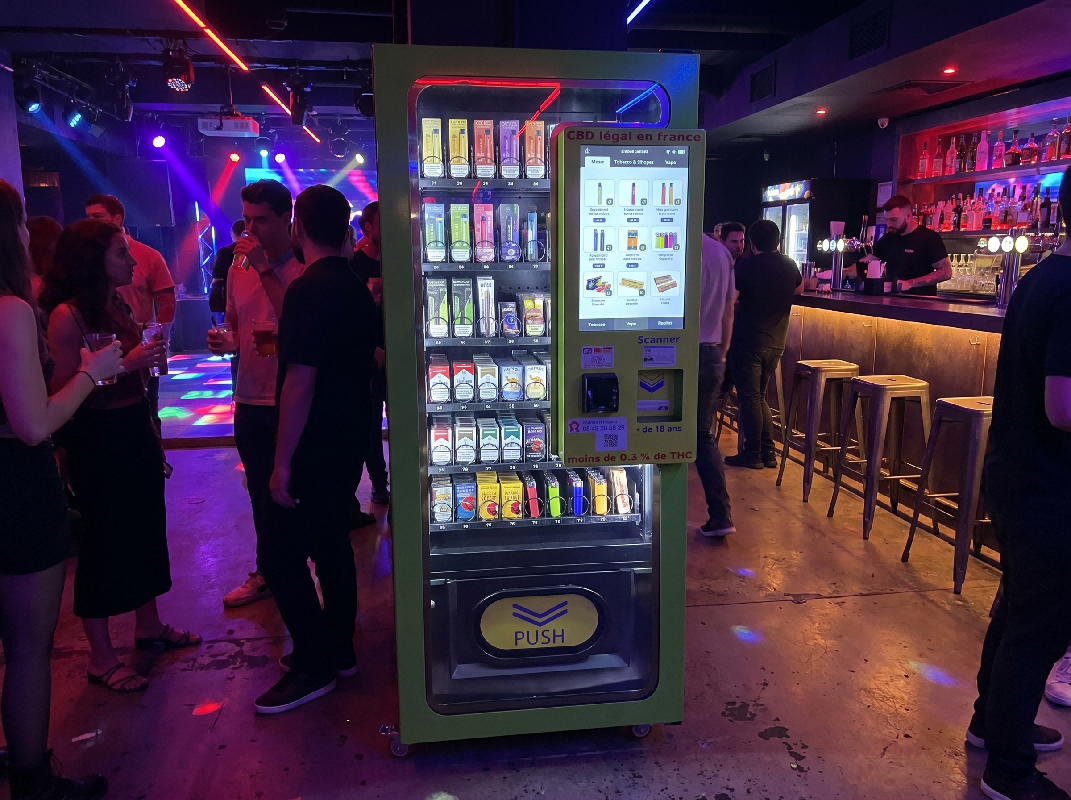
5. Maintenance: Protecting Your ROI
Routine maintenance is the difference between a profitable machine and an "Out of Order" sign. A professional maintenance rhythm should include:
- Physical Checks: Testing motor paths for blockages and cleaning the external interface.
- Software Alerts: Monitoring for "low-stock" or "motor-fault" notifications in real-time.
- The "Inspect & Log" Method: Every service visit should be logged. This creates a paper trail that is invaluable for both mechanical troubleshooting and proving regulatory compliance during inspections.
The Bottom Line
A modern cigarette dispenser works best when it functions as a cohesive system. When the dispensing hardware is backed by real-time inventory software and supported by a rigorous maintenance schedule, the machine becomes a reliable, low-labor retail channel. By prioritizing compliance and data, operators can ensure their investment remains both legal and profitable.
Are you evaluating hardware for a new location? Ensuring your machine meets both local space requirements and federal ID-verification standards is the first step toward a successful launch.
Smoking Vending Machine: A Practical Guide for Tobacco Retail
Merch Vending Machine What It Is and How It Works
Related Article