Compliance and Age Verification for Vape Vending Machines
Why compliance matters
Vape products are not ordinary retail items. They are regulated products, which means every part of the vending setup must follow the law. That includes where the machine is installed, who can access it, how age is checked, and what kind of products are sold.
For business owners, compliance is not just a legal formality. It protects your license, reduces risk, and helps build a trustworthy operation. A machine that is convenient but poorly controlled can quickly become a liability.
Age verification is essential
Age verification is one of the most important parts of vape vending compliance. These machines must prevent underage purchases, and that means using a verification system that checks the customer's age before a sale is completed.
Common methods include ID scanning, government-issued ID checks, and access controls that only allow purchases in adult-only environments. In practice, the goal is simple: make sure only eligible adults can complete a transaction.
A strong age verification process also helps reduce the chance of human error. Unlike a traditional retail counter, a vending machine cannot rely on a cashier to make judgment calls. The system itself has to do the work.
Legal requirements for tobacco vending
Vape vending machines are often treated under tobacco vending rules, which means the legal requirements can be strict. Depending on the state or city, operators may need special permits, tobacco licenses, or approval for the specific location.
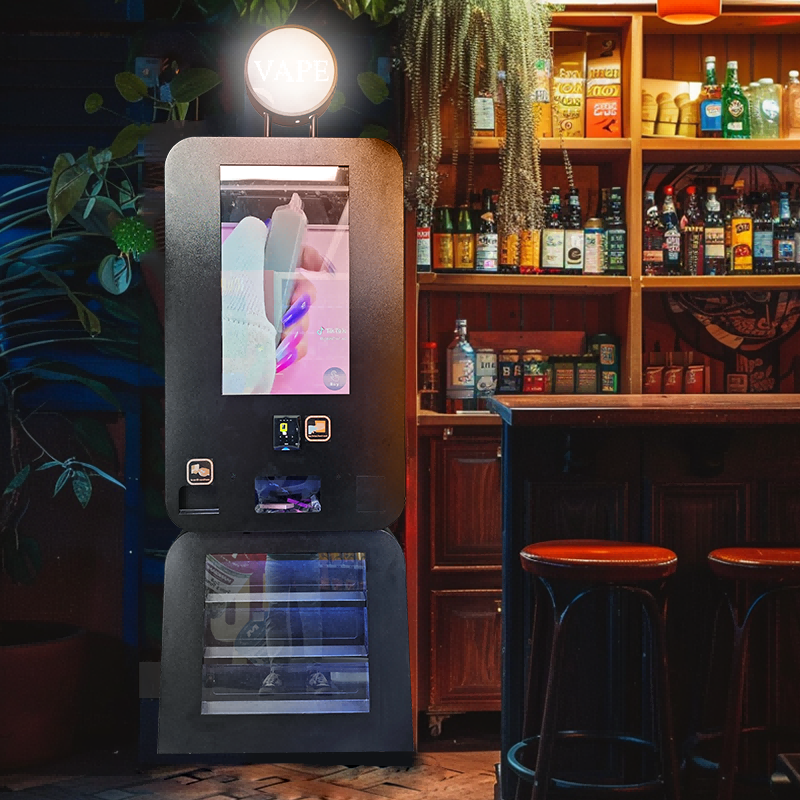
Some areas limit vending machines to places such as bars, private clubs, or other age-restricted venues. Others may require employee supervision or additional safeguards. In many cases, the machine must be placed in an environment where minors are not allowed to enter or purchase.
Because laws can differ so much, it is important to review both state and local regulations before placing a machine anywhere. What is allowed in one region may be restricted or completely prohibited in another.
Placement restrictions to keep in mind
Where you place the machine matters just as much as how it works. Even if a machine has age verification technology, it may still not be legal in certain locations.
In many jurisdictions, vape vending machines are only permitted in adult-only settings. That may include bars, lounges, or private venues with controlled access. Some cities and counties impose even tighter rules than the state does.
This is why location planning should always be part of the compliance process. A good placement strategy reduces legal risk and helps ensure the machine operates within the correct regulatory framework.
Regional rules can be very different
One of the biggest challenges in vape vending is the lack of uniform rules across the country. Regulations can change from state to state, and local governments may add their own restrictions on top of that.
For operators with multiple locations, this creates a major compliance issue. A machine that is fully legal in one city may need different licensing, supervision, or placement conditions in another. That is why it is important to treat each market separately instead of assuming one setup works everywhere.
A careful local review can save time, money, and potential penalties later.
The risks of weak compliance
Ignoring compliance can create serious problems. Fines, license issues, forced removal, and reputational damage are all possible if a machine is placed incorrectly or fails to verify age properly.
There is also a business risk. Customers, landlords, and regulators want to see that the machine is operated responsibly. If your setup looks careless, it can hurt trust and make expansion harder later.
The safest approach is to build compliance into the business from the start rather than trying to fix issues after installation.
How to build a safer vending operation
A responsible vape vending business should follow a few simple principles:
- Verify age before every sale.
- Check state and local regulations before choosing a location.
- Use adult-only or restricted-access venues when required.
- Keep licensing and permit records organized.
- Review compliance rules regularly, since laws can change.
These steps do not just reduce legal risk. They also make your business easier to manage and more credible to partners, property owners, and customers.
Final thoughts
Vape vending machines can be a practical business opportunity, but only when compliance is taken seriously. Age verification, placement restrictions, and local legal requirements all play a major role in whether a machine can operate legally and successfully.
If you want your vape vending business to last, treat compliance as part of the business model, not an afterthought. A well-planned operation is safer, more professional, and much easier to grow.
WEIMI to Exhibit at Venditalia 2026 with Full Range of Smart Retail Solutions
Vape vs. Cigarette Vending Machine Which is the Better Investment
Related Article