5 Ways to Slash Labor Costs in Your Beach Gear Rental Business
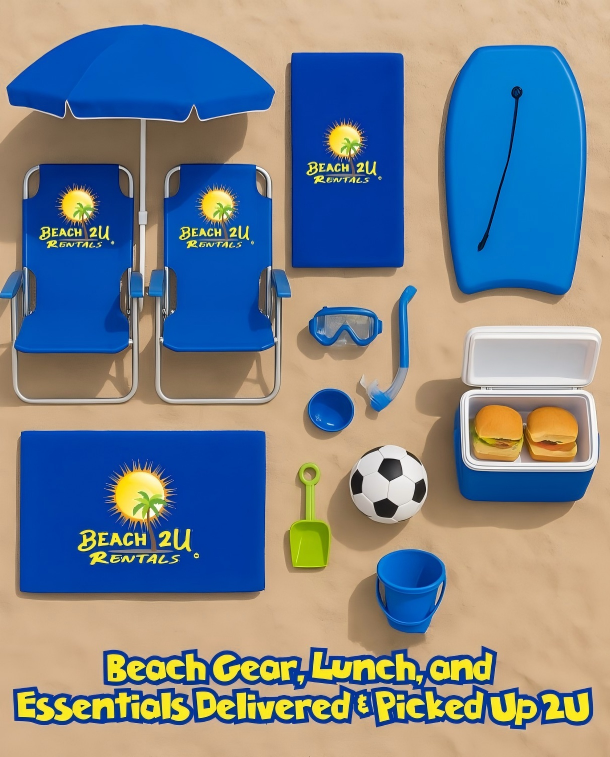
If you are running a model that relies heavily on manual deliveries and pickups, you know the "waiting game" is your biggest expense. Here are five practical ways to automate your operations and reduce labor costs using smart locker technology.
1. Eliminate the "Hand-off" Waiting Time
The most expensive part of a rental is the 15 to 20 minutes a staff member spends waiting for a customer to show up for a delivery or return. By using smart rental lockers at key beach access points, you remove the person from the equation.
The machine handles the entire transaction—from identity verification to taking payment—24 hours a day. Your staff only needs to visit the site to restock or clean gear, rather than waiting on a customer's schedule.
2. Deploy "Satellite Hubs" Instead of More Vans
Growth usually means buying another van and hiring another driver. However, a van costs money every mile it drives, and a driver costs money every hour they sit in traffic.
A smarter way to scale is by placing automated satellite hubs at popular "delivery beaches." These lockers act as permanent storefronts. Instead of driving back and forth for every single chair or umbrella, you can drop off a bulk load of gear once a day (or once a week) and let the technology handle the individual rentals.
3. Support "Order Online, Pick Up Offline"
Modern travelers prefer to book their gear before they even land in Maui or arrive at the coast. To save on labor, your system should allow customers to:
- Book and pay on your website.
- Receive a unique pickup code via email.
- Scan the code at a locker located right at the beach.
This "Click & Collect" model means your team can fulfill dozens of orders in one trip to the locker bank early in the morning, leaving the rest of the day free for high-value tasks instead of constant "on-call" deliveries.
4. Automate the Return and Late-Fee Process
Chasing down customers for late returns or missing gear is a massive administrative burden. Smart lockers solve this through automated logic:
- The Return: The customer scans their receipt or card, a locker opens, they put the gear back, and the system closes the order.
- The Late Fee: If the gear isn't back by the agreed-upon time, the system can automatically charge a late fee to the card on file.
- The Control: As the operator, you retain full control. You set the pricing, the grace periods, and the deposit amounts through a cloud dashboard.
5. Invest in Marine-Grade, Low-Maintenance Hardware
Labor costs aren't just about drivers; they are also about maintenance. In a coastal environment, cheap lockers will rust and fail within months, leading to constant repair trips.
To keep long-term labor costs low, look for hardware specifically engineered for the beach:
- Strong sheet metal with anti-corrosion coatings to resist salt air.
- Sunlight-readable touchscreens that don't fail under intense heat or direct sun.
- Modular designs that allow you to swap out compartments or components quickly without specialized tools.
With over 9 years of experience in automated retail, we've seen that the most successful rental businesses in 2026 are those that stop moving people and start moving data. By switching to a hybrid model of online booking and physical locker pickups, you can serve more customers with a smaller, more efficient team.
Ready to see how a custom locker configuration could work for your beach location?
[Contact our team for a layout design and ROI projection.]

bKash Vending Machines in Bangladesh
How to Import Vending Machines from China: The 2026 Step-by-Step Guide
Related Article