How to Start a Self-Service Dog Wash Business

Why the self-service model works
Pet owners value convenience and affordability. A well-designed self-service dog-wash delivers both: customers pay per use, can visit outside normal business hours, and avoid the higher cost of full grooming. When a wash station is paired with an on-site retail vending system for single-use shampoos, towels and treats, the operator gains immediate, high-margin add-ons to the core wash fee.
What a modern self-service dog-wash machine does
A commercial self-service dog-wash is a purpose-built system, not merely a tub and a hose. Key user-facing features that affect adoption and repeat use:
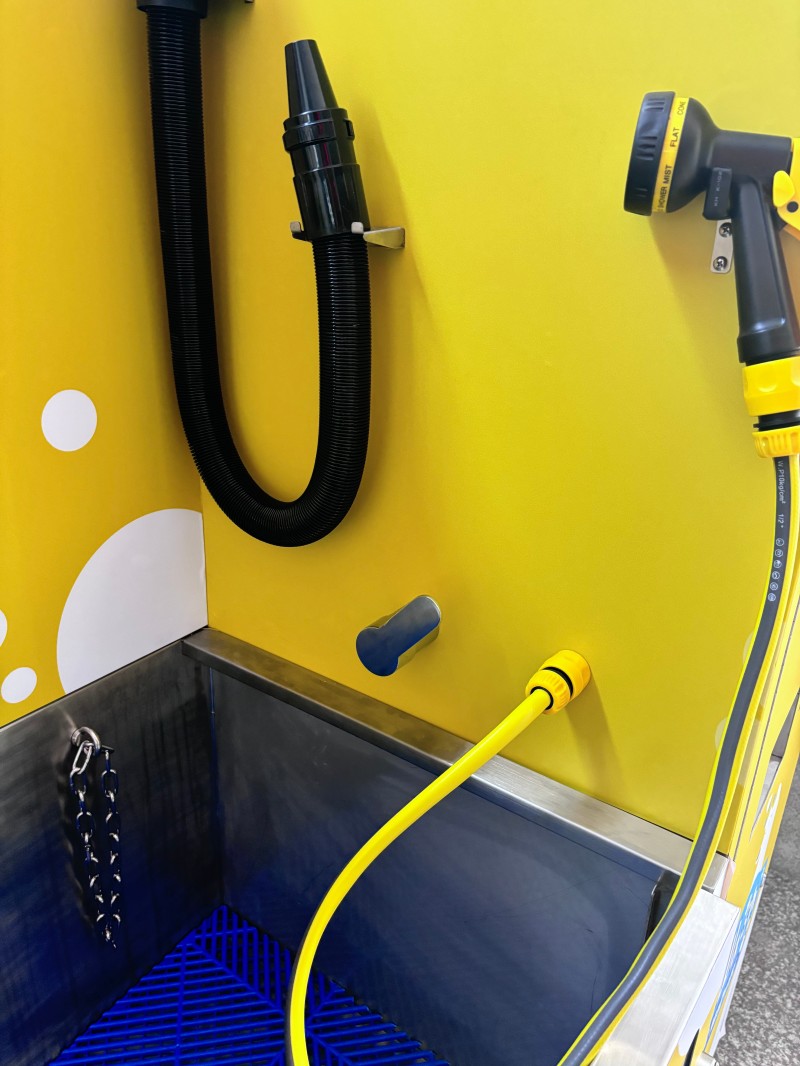
- Secure entry and restraint. A safe tub with a lockable door and a short tether or clip to secure the dog during the wash.
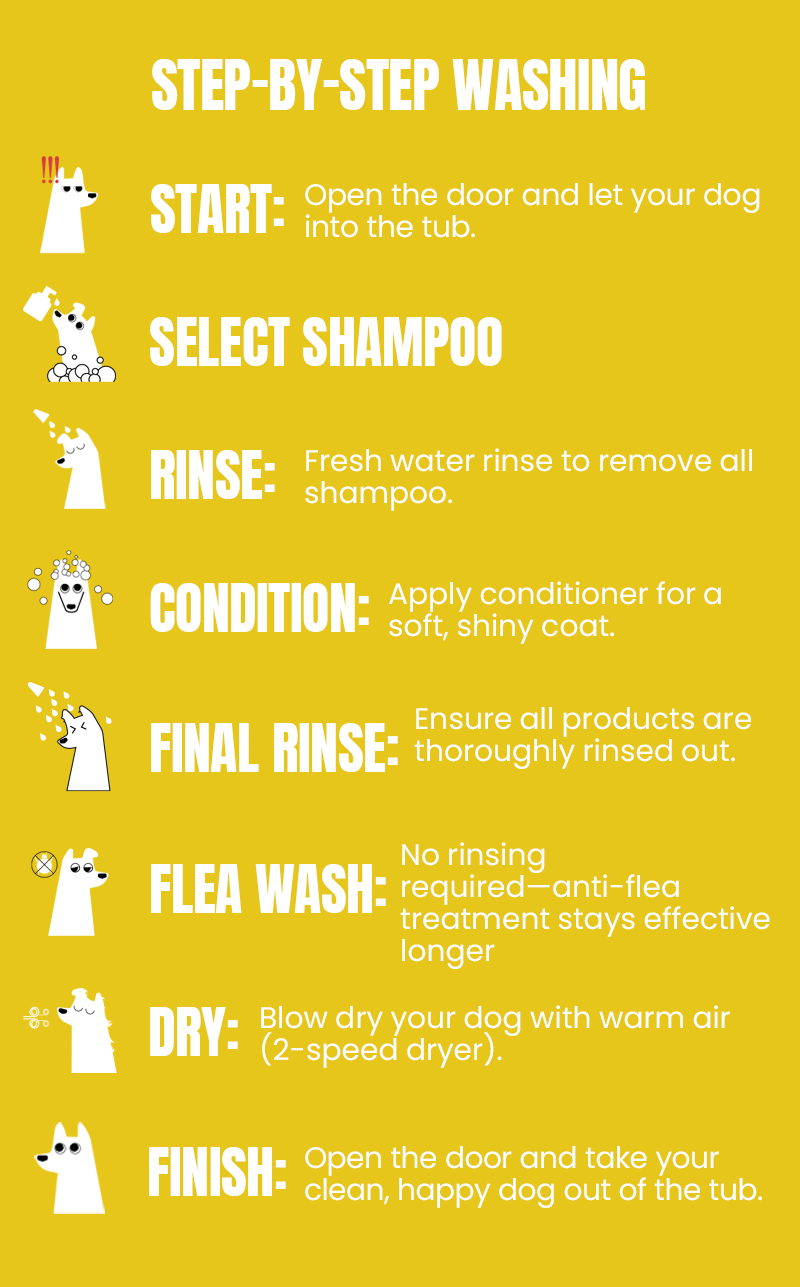
- Sanitation between customers. A short automatic disinfection window (for example, 30 seconds) that runs after each session to reassure customers and reduce cross-contamination.
- On-screen program selection. Touchscreen options for basic wash, flea/medicated wash, conditioner, or add-ons such as extra rinse or blow-dry.
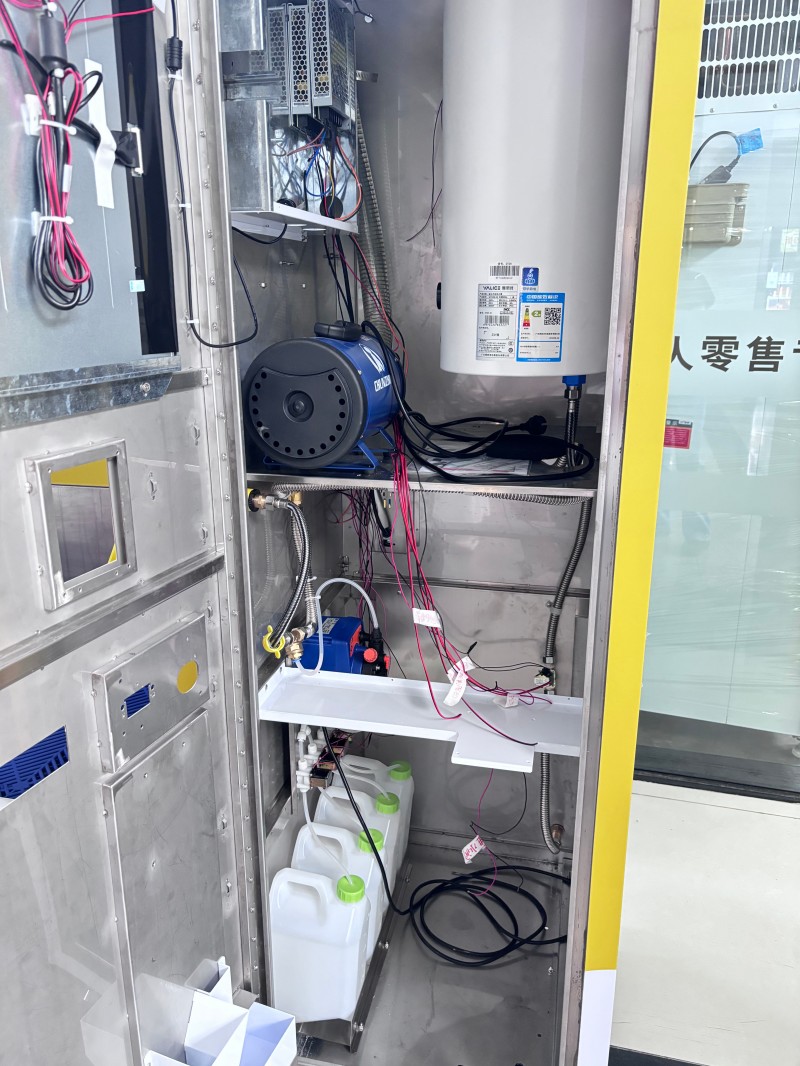
- Product dispensing and warm water. Built-in dispensers deliver shampoo and conditioner into warm water on demand for a consistent wash experience.
- Timed wash cycles. A managed timer (for example, a 10-minute wash/scrub window followed by rinse and blow-dry stages) helps customers complete a reliable, repeatable service.
- Flexible payments. Support for coins, notes, cards and e-wallets reduces friction at the point of sale. Many operators integrate card readers from established payment vendors such as Nayax.
- Retail vending integration. A compact smart vending module sells single-use shampoo packs, towels, flea treatments, brushes and treats — increasing average revenue per visit.
- Remote management. A cloud backend reports usage, sales and stock levels; operators can monitor multiple locations without being on site.
Selecting equipment and suppliers
Equipment choice determines uptime, customer satisfaction and long-term costs. Prioritize vendors that offer:
- Hygiene and safety engineering. Confirm the machine includes automatic disinfection, secure latches and durable tethering points.
- Reliable product dispensing and temperature control. Warm, well-metered water and accurately dosed products improve the perceived value of the service.
- Multiple payment options. A vendor that supports coins, bills, card and e-wallets will reach the most customers.
- Integrated vending + remote software. A supplier that bundles vending hardware with a robust backend simplifies operations. Well-designed backend systems have been shown to boost vending sales substantially.
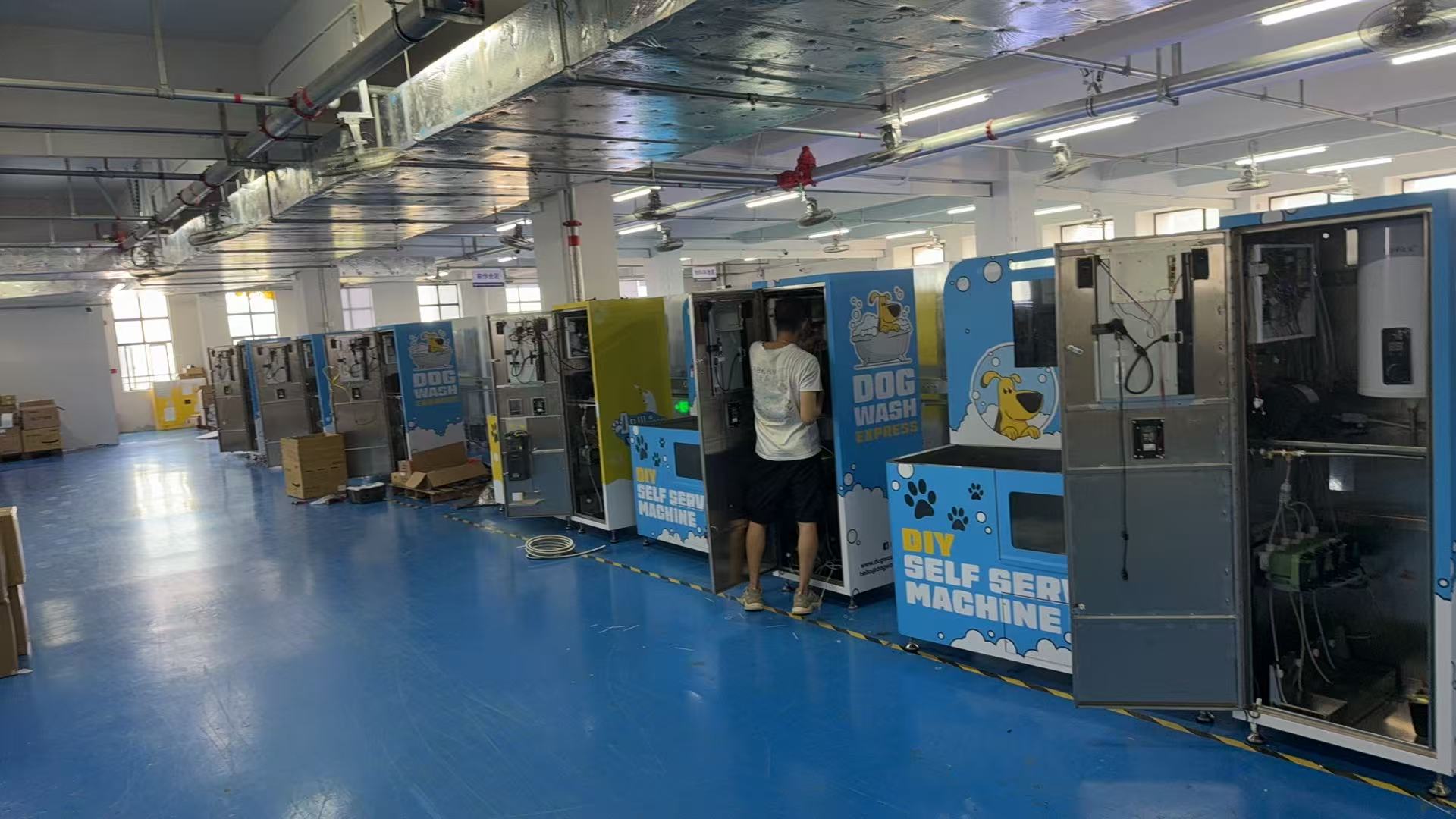
- Warranty, spare parts and customization. Look for at least a year of warranty coverage and OEM/ODM capability if the entrepreneur wants co-branding or special dispenser sizes. Many established manufacturers operate large factories and in-house engineering teams, which helps with parts availability and custom development.
- Backend stability and support. Ask where the supplier's servers are hosted and whether they offer regional support; some providers host systems in locations such as Hong Kong for low-latency performance in the region.
Location strategy
Location drives demand and margin:
- High-footfall opportunities: Pet stores, busy shopping centers, laundromats, gas stations near residential areas and apartment complexes with many dog owners.
- Repeat business locations: Neighborhood placements and locations near dog parks generate steady repeat customers.
- Accessibility and safety: Good lighting, covered placement, and easy vehicle access increase evening and off-peak use.
- Utility and permitting: Confirm access to reliable water and electricity and investigate local wastewater rules before signing a lease.
Daily operations and maintenance
A small set of routines keeps the business profitable and reliable:
- Restocking and cleaning schedule. Use the backend inventory alerts to restock vending items and perform routine cleaning.
- Planned maintenance. Train a technician on routine checks and keep a spare-parts kit (hoses, seals, nozzles).
- Customer support. Display a visible contact number or QR code for instant help; rapid response reduces chargebacks and negative reviews.
- Pricing control. Operators set all prices, discounts and promotional campaigns via the backend — the system provides the tools, but the operator controls the strategy. Use timed discounts or bundle promotions to drive off-peak usage.
- Data-driven adjustments. Track usage patterns and adjust pricing, program lengths or bundled offers to maximize revenue. Smart vending and remote analytics routinely increase per-machine revenue when used actively.
Water, wastewater and compliance
Regulatory and plumbing issues are essential and location-specific:
- Wastewater handling. Local regulations may require grease/oil traps, limits on detergent discharge or licensed wastewater treatment. Some standard vending and car-wash systems do not include water recycling; if recycling or advanced treatment is required, plan for an add-on solution.
- Permits and local rules. Check zoning, health department and municipal rules for pet-service operations. Requirements vary significantly by city and county.
- Insurance and liability. Obtain general liability and property insurance that explicitly covers animal injury, customer slips and equipment damage.
- Sanitation logs. Maintain records of cleaning and periodic deep disinfection to demonstrate compliance and reassure customers.
Low-cost, high-impact marketing
Early traction comes from local, targeted outreach:
- Partnerships. Collaborate with nearby groomers, veterinarians, pet stores and apartment managers for referral traffic.
- Soft launch offers. Discounted first washes for nearby residents or local social-media groups generate word-of-mouth.
- Retention marketing. Collect opt-in emails or phone numbers at the machine for coupons and reminders — retaining customers is more cost-effective than constant acquisition.
- Signage and UX. Clear on-site instructions, intuitive touchscreen flows and bold signage improve first-visit conversion.
Supplier and backend checklist
A supplier that provides both hardware and a stable backend minimizes integration overhead:
- OEM/ODM capability. Useful for co-branding, language localization or bespoke dispenser sizes.
- Warranty and spare parts. Confirm warranty length and regional spare-parts supply. Extended warranties (for example, 18 months) reduce early-life operating risk.
- Backend monitoring and regional servers. Reliable telemetry, stock alerts and fault notifications reduce downtime. Confirm server location and SLA with the supplier.
Launch checklist — ready for first location
- Secure location and obtain required permits.
- Confirm water, wastewater and electricity availability; budget for any plumbing upgrades.
- Choose a machine with automatic sanitation, warm-water product dispensing, integrated vending and multi-payment support.
- Define pricing, bundles and initial promotions in the backend (the operator controls prices and discounts).
- Plan restock and maintenance schedules; train one local technician.
- Purchase liability insurance and maintain sanitization logs.
- Prepare a 90-day local marketing plan (partnerships, launch discounts, on-site signage).
Conclusion
A self-service dog-wash machine business can be a resilient, scalable enterprise when an entrepreneur focuses on hygiene, customer convenience and strong operational systems. The right combination of secure hardware, warm-water product dispensing, integrated vending and a dependable backend enables 24/7 service, multiple revenue streams and a low-staff footprint. With careful attention to wastewater compliance, a sound maintenance plan and active local marketing, the business can move from first installation to profitable repeat customers in a matter of months.


How Profitable Is a Self-Service Dog Wash Business in 2026
Is a self-service dog wash a good side hustle
Related Article