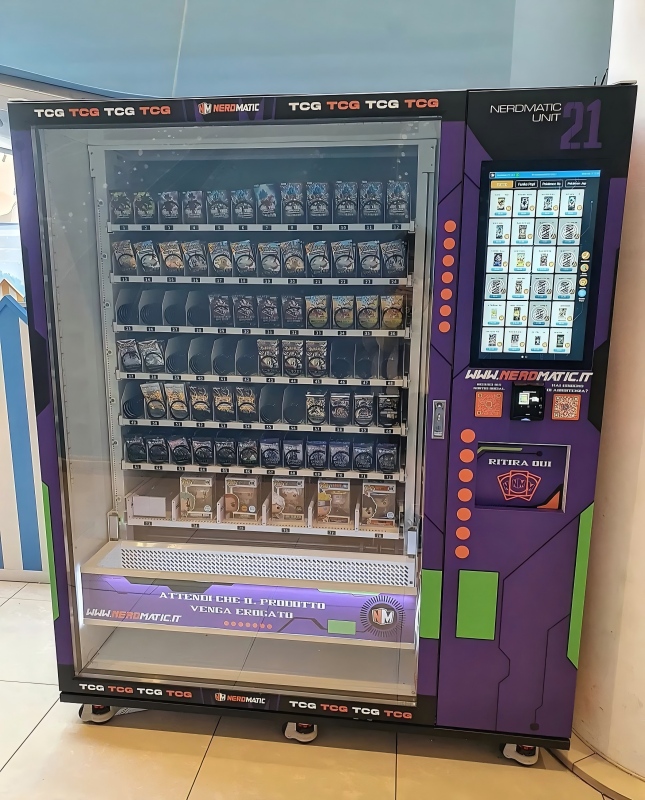
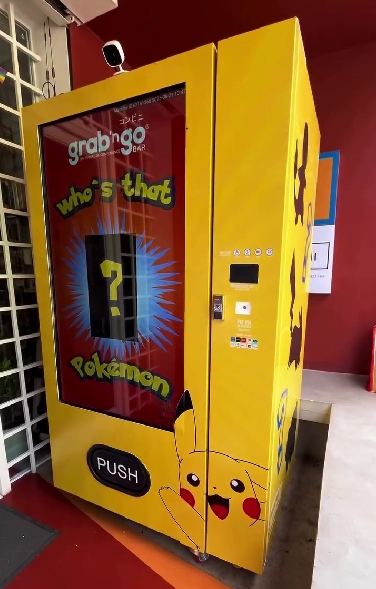
Why Investing in a Pokémon Vending Machine is a Profitable Business
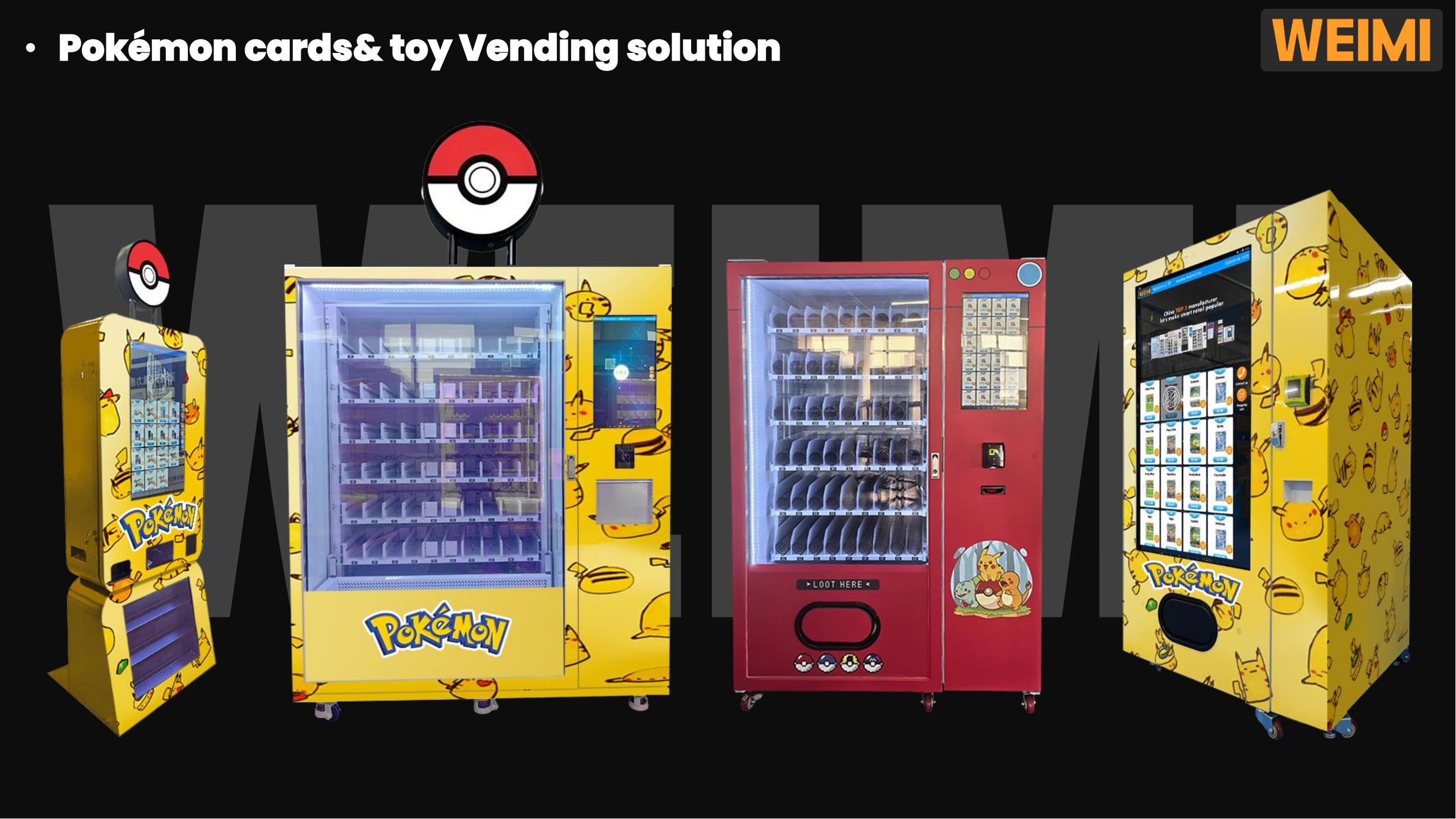
TRADING CARD VENDING BUSINESS GUIDE
Why Investing in a Pokémon Vending Machine Requires a Careful ROI Model
A trading card vending machine can support a convenient retail channel, but the business case depends on verified product margin, qualified venue traffic, operating costs and compliant inventory sourcing.
The short answer: test the economics before scaling
A Pokémon or trading card vending machine may be commercially suitable where collectors have useful dwell time and the operator can restock reliably. No machine guarantees profit, passive income or a fixed payback period. Build the model from your own inventory invoices, selling prices, payment fees, venue agreement, freight, taxes, maintenance and expected sales.
Decision rule: approve a pilot only when conservative sales assumptions still cover inventory, payment, venue and operating costs.
1. Build a transparent vending-machine ROI formula
Use a spreadsheet that separates revenue from operating profit:
- Monthly revenue: average selling price × units sold per day × operating days.
- Gross margin: revenue minus the landed cost of card products and accessories.
- Operating profit: gross margin minus payment fees, venue rent or commission, connectivity, freight, restocking labor, maintenance and applicable taxes.
- Payback estimate: complete installed investment divided by verified monthly operating profit.
Run conservative, base and high-sales scenarios. Replace every assumption with local quotations and a measured pilot; do not use generic online profit claims as a forecast.
2. Choose locations by qualified traffic and site cost
Collector-focused venues can be worth testing when access, security and replenishment are practical. Potential candidates include hobby stores, game cafés, tournament venues, family entertainment centers, selected malls and events. Compare the quality of collector traffic, dwell time, opening hours, power, network coverage, security, loading access and venue commission.
Request written approval from the venue and confirm local retail, tax, consumer-protection and age-related rules where relevant. A high-footfall site is not automatically a profitable site.
3. Match the machine to real card packaging
Product dimensions, weight and packaging protection should be tested before production. Ask the manufacturer to evaluate sample packs, boxes, sleeves and accessories against lane width, shelf spacing, coil pitch and delivery settings.
Elevator delivery
Receives the selected product closer to its shelf and transports it to the pickup bay, which can reduce free-fall distance for suitable configurations.
Remote visibility
A compatible platform may show inventory, sales and machine status. Confirm connectivity, user permissions, remote actions and software fees for the target project.
4. Plan a balanced product assortment
Start with legitimate products that fit the selected audience and local distribution rules. A practical test mix may include entry-price packs, sealed products, sleeves, deck boxes and other compatible accessories. Keep the assortment narrow enough to measure SKU-level performance, then adjust prices, lanes and promotions using observed demand.
WEIMI does not supply Pokémon cards, booster packs, graded cards or other licensed inventory. Confirm product authorization, labeling, tax treatment and consumer disclosures with the relevant suppliers and authorities.
5. Confirm payments, connectivity and operations
- Choose cash, card or e-wallet hardware compatible with the destination market and processor.
- Plan network connectivity, offline behavior, refunds and settlement responsibilities.
- Define restocking frequency, spare parts, cleaning, support escalation and safe access.
- Include freight, import requirements, electrical conditions and any local certification review in the budget.
Payment and remote-management features depend on selected hardware, software, network and provider approval. Ask for a configuration-specific quotation rather than assuming every feature is included.
Buyer checklist before requesting a quotation
- Product samples and dimensions are available for dispensing tests.
- The venue agreement, access hours, power, network and security are understood.
- The ROI sheet includes landed cost, inventory, payment, venue and restocking expenses.
- Third-party brand authorization and local retail requirements are identified.
- Payment, cloud, camera, elevator and delivery options are listed as selected or optional.
Plan a trading-card vending pilot
Send WEIMI your destination market, product samples, target venue, payment preference and expected assortment. The team can review a suitable machine configuration and prepare a quotation for evaluation.
View Pokémon and Trading Card Vending Machines Request a Project Review
Methodology and disclosure
This article is educational and does not promise revenue, profit, demand or a specific payback period. Results vary with inventory cost, selling price, traffic, venue terms, payment fees, taxes, uptime and operator execution. Pokémon and related marks belong to their respective owners; customers are responsible for authorized commercial use.
What's the Best Location for a Trading Card Vending Machine
A Closer Look at Our Smart Vending Machines for Pets
Related Article